Dhaka, September 28, 2026 (BSS) — The government is drafting a comprehensive strategy to diversify Bangladesh’s export products and markets, focusing on reducing reliance on ready-made garments and expanding exports of services and skill-based products.
As part of the initiative, the market potential, existing barriers, competitors’ positions and Bangladesh’s possible interventions are being analyzed for the 18 major destinations, leading to market-specific export strategies.
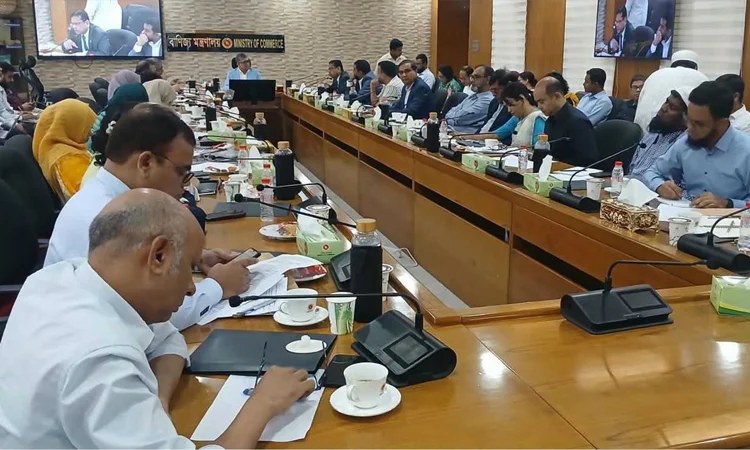
Commerce Adviser Md. Ataur Rahman Khan made the remarks while chairing a seminar titled "Bangladesh Export Diversification Strategy: Product and Market Diversification across 18 Major Trade Destinations" at the Commerce Ministry conference room at the Secretariat, a press release said.
He said the government attaches equal importance to product and market diversification to make exports stronger and more sustainable. "Detailed information on the 18 selected major export destinations is being collected and analyzed to prepare country profiles and implementable strategies," he said.
The commerce adviser said information on current market conditions, existing export barriers, potential products and trade expansion opportunities has been collected from business sectors. "The information will be consolidated to prepare separate action plans for each market," he added.
He said the market analysis follows a specific matrix covering Bangladesh’s overall export share to each country, key competitors for specific products, ways to raise competitiveness, and the policy and institutional measures needed to expand market access. The initiative will also help identify new potential exports, expand markets for existing products, and determine measures for entering new markets.
Dr. Mostafizur Rahman, distinguished fellow at the Centre for Policy Dialogue (CPD), said services exports deserve equal weight with goods exports in diversification. He stressed developing IT, skill-based economy and capacity-building services, plus effective measures to grow freelancing.
He also stressed skills development and technological progress — broader use of technology in production and services would raise Bangladesh’s competitiveness — and suggested leveraging geographic proximity and market potential to boost exports to neighboring countries.
Representatives from BGMEA, FLEXA, CPD, Walton Group, the Bangladesh Agro-processors’ Association and the pharmaceutical sector proposed export-expansion ideas; officials from the Commerce Ministry and other agencies attended.
Participants stressed that beyond garments, international competitiveness should be raised in pharmaceuticals, electronics, agricultural and processed agri products, leather and leather goods, light industry, IT and other services. Stakeholders believe the 18-destination strategy will broaden the export base, create new products and markets, lift shares in existing destinations, and build a more diversified, sustainable export structure in the long run.